I spend most of my workday posting updates that disappear almost as soon as they go live. Event reminders, deadline notices, a photo of a visiting speaker standing stiffly by a podium. I write the captions, resize the images, double check spelling, and then I watch the engagement numbers sit there quietly. I do not take it personally anymore. Or at least I try not to. Working in communications at a community college teaches you that attention is a limited resource, and most people are just trying to get from one class to the next without thinking too hard about anything extra.
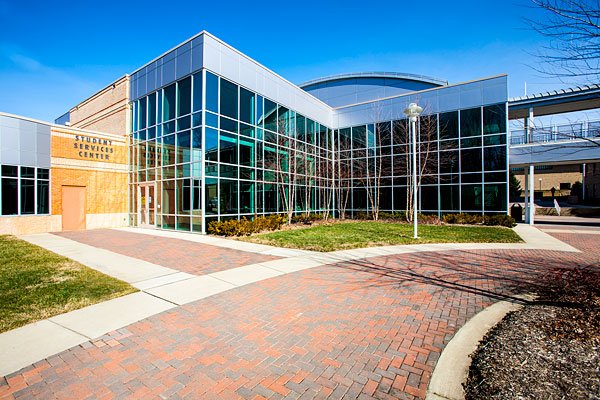
The campus itself has always felt familiar in a way that made it easy to ignore. I walk the same paths every day. The same brick buildings, the same glass doors with smudges at eye level, the same bulletin boards layered with old tape marks and curled flyers. I knew where everything was, which somehow made me stop really seeing any of it. When I picked up my camera again, it was not because I had some artistic goal. It was mostly because I was tired of feeling like my days were slipping by without leaving much of a mark.
I started looking into free photo contests almost by accident. Someone mentioned one in a staff meeting, the way people mention things they do on weekends without expecting anyone else to care. There was no entry fee. No complicated rules. Just a deadline and a theme. I remember thinking that if there was no cost to enter, there was also no real excuse not to try. Money has a way of turning curiosity into hesitation for me. Without that barrier, the idea felt lighter, like something I could carry without committing to anything serious.
What I did not expect was how quickly it changed my attention. Suddenly, I was noticing light in places I had walked past for years. Late afternoon sun catching the edge of a cork board. A student sitting alone on a bench between classes, phone face down, just staring at the ground. The way the library windows glow a little warmer right before dusk. None of it felt dramatic. That was part of the appeal. It felt honest. It felt like my actual days, not a version of them dressed up to impress anyone.
Knowing I would have to choose just one image made me picky in a way I had not been before. I would take ten photos and delete nine without much debate. I found myself standing still longer, waiting for people to move out of the frame, or for a shadow to soften. It surprised me how serious I became about it. The contest was free, but the decision did not feel casual. I cared more than I expected to. I guess choosing meant admitting that some moments mattered more to me than others.
The night I finally submitted the photo, I felt oddly nervous. My hand hovered over the mouse longer than it needed to. I kept wondering what the judges would think, or if they would think anything at all. I worried that my photo would look boring next to everyone else's. Too plain. Too ordinary. But ordinary was kind of the point for me. I hit submit and immediately felt a mix of relief and embarrassment, like I had said something personal out loud in a room full of people I did not know.
I forgot about it for a while after that. Work stayed busy. The semester rolled forward. Then one afternoon, between scheduling posts and answering an email about poster sizes, I saw the notification. Second place. I read it twice to make sure I understood. I did not jump up or tell anyone right away. I just sat there and smiled at my screen for a second longer than necessary. It felt good in a quiet way. Not like winning the lottery. More like being gently acknowledged.
That small result did more than I expected. It did not change my job or suddenly make me confident, but it shifted how I treat my own attention. Access matters. Being able to enter without paying made it possible for me to try. The care I put into the photo was still real, though. That surprised me the most. I realized that I do not need a big audience or a big investment to take myself seriously. Sometimes all it takes is permission, even if that permission comes from a simple opportunity I almost ignored.
After that second place notice, I expected something bigger to happen. I am not sure what exactly. Maybe confidence would suddenly arrive fully formed, or I would feel different walking across campus the next morning. None of that happened. I still stopped at the same crosswalk. I still checked my phone too often. But there was a small shift I did not notice right away. I was paying attention with intention now, even on days when I did not bring my camera. I would catch myself slowing just a little when the light changed, or noticing how people stood when they thought no one was watching them.
Being budget conscious does something to your decision making that is hard to explain unless you live inside it. I am always calculating quietly. Printing costs. Software renewals. Whether a project can be justified if it is not strictly required. Photography had always felt like something that belonged to people with extra money or extra confidence. Entering free photo contests made it feel practical instead of indulgent. It gave me a frame around the habit. A reason that fit neatly into how my brain already works.
I started setting small rules for myself without really meaning to. One photo a week. No rushing. No rearranging people or spaces. If I missed it, I missed it. There was something calming about that. It reminded me of how I approach my job. You post the update once. You let it go. You do not hover. I began to see photography less as a performance and more as a record. Proof that I had been there and noticed what most people passed by.
There were moments when I almost talked myself out of continuing. I would see photos online that were technically perfect and feel a familiar tightening in my chest. The kind that says you are out of your depth. On those days, I would remind myself that no one had asked me to be the best. I had only asked myself to show up. It sounds simple, but it took practice to believe it. I am good at being useful. Being visible is harder.
One afternoon, I stayed late after work to finish scheduling posts for the following week. The building emptied out faster than usual. I stepped outside and saw a student leaning against the railing, waiting for a ride that was clearly late. The sky was heavy with that flat gray light that usually ruins photos. I almost walked past. Then I stopped. I lifted the camera. The moment lasted maybe five seconds. Later, that image stayed with me longer than some of the brighter ones.
When I entered again, the nerves were different. Quieter, but still there. I checked the file size twice. I reread the submission guidelines even though I already knew them. There is a strange vulnerability in offering something you care about, even when it costs nothing. Especially when it costs nothing. You cannot blame the entry fee if it does not go well. The responsibility sits fully with you, and that can feel heavier than expected.
I started to wonder about the other people entering. Where they were standing when they took their photos. What they almost captured but did not. Whether they hesitated the way I did. That curiosity surprised me. It made the whole thing feel less like a competition and more like a shared exercise in attention. We were all choosing one thing out of many and saying, this is what I saw. This mattered to me, at least for a moment.
The second place finish did not repeat itself right away. Some entries disappeared into silence. That stung a little, even though I told myself it was fine. I kept going anyway. The habit had taken root. I would walk across campus with a lighter step, scanning without forcing it. Some days I saw nothing worth keeping. Other days I saw too much. Both felt honest. Both felt like part of the process.
What surprised me most was how this practice crept into my work. I started choosing images for campus posts more carefully. I noticed when a photo felt stiff or rushed. I paid attention to framing in ways I had not before. It did not make my job harder. It made it more intentional. That felt like a small gift. Something that fed back into itself quietly, without asking for recognition.
I still think about money more than I would like to admit. I still hesitate before committing to things that feel optional. But I no longer see access as a measure of seriousness. The chance to enter without paying showed me that effort does not always need permission from a budget line. Sometimes it just needs space. I am still learning how to give myself that space, one image at a time, even when no one is watching.
By the middle of the semester, the habit had settled into something steady. Not exciting, not dramatic, just present. I would bring my camera on days when my bag already felt too heavy and leave it behind when I knew I would rush. I stopped forcing myself to be consistent in the way productivity blogs suggest. Consistency showed up anyway, just quieter than expected. It arrived as awareness rather than output.
There is a bench near the science building that almost no one sits on because it faces a blank wall. I walked past it for years without thinking about it. One afternoon, I noticed how the late sun reflected off the windows across the way and bounced back onto that wall, turning it soft and pale. A student sat there eating fries out of a paper bag, completely alone but not lonely. I took the photo and immediately knew it would not win anything. I kept it anyway.
I started keeping photos that were just for me. That surprised me. Before, every image felt like it needed a purpose. A post. A submission. A reason. Now some photos lived only on my hard drive, unnamed and slightly crooked. Those felt important in a different way. They reminded me that attention does not always need an audience. Sometimes it just needs practice.
At work, people began asking casually why I was carrying a camera more often. I kept my answers short. I am not good at explaining personal projects without feeling exposed. Saying I was entering free photo contests felt easier than saying I was trying to notice my own life more clearly. The first sounded practical. The second sounded like something I would rather keep to myself.
There were days when the nerves came back sharply. Especially close to deadlines. I would scroll through my recent photos and feel that old tightening again. The question of whether any of them were good enough. The urge to wait until the next contest, the next moment, the next version of myself. More than once, I closed the submission page without uploading anything. I told myself that counted as listening to my limits, even though I knew fear was mixed in there somewhere.
One evening, while waiting for a campus event to end so I could lock up, I noticed the janitorial staff moving through the building with practiced ease. Their carts rattled softly. The smell of cleaner hung in the air. I had never photographed them before because it felt intrusive. That night, I asked first. One man shrugged and nodded. I took one frame. Just one. It felt respectful that way.
Submitting that image made me nervous in a different way. Not because of the judges, but because of responsibility. I thought about how representation works, even in small spaces. I thought about how easy it is to overlook people whose work keeps everything else running. I did not win anything for that photo. I am still glad I took it.
The rhythm of entering and waiting became familiar. Upload. Confirm. Forget. Then sometimes remember. I learned that anticipation is not always loud. Sometimes it hums quietly in the background while you answer emails and heat leftovers and wonder what you are doing with your time. I learned that disappointment does not always arrive as a crash. Sometimes it arrives as a gentle letdown that passes if you let it.
What stayed with me was how selective I had become in ways that mattered beyond photography. I said no to things more easily. I noticed when I was rushing through moments I actually wanted to stay inside a little longer. Choosing one image over another taught me that choosing is an act of care. Letting things pass does not mean they had no value. It just means I could not hold everything at once.
I still work in communications. I still post updates most people scroll past. But my relationship to that work feels slightly different now. I understand attention as something fragile and valuable. Something worth practicing, even when no one is counting. That understanding came quietly, through repetition and small risks. I did not set out to change anything big. I just followed what was accessible and stayed with it longer than I thought I would.
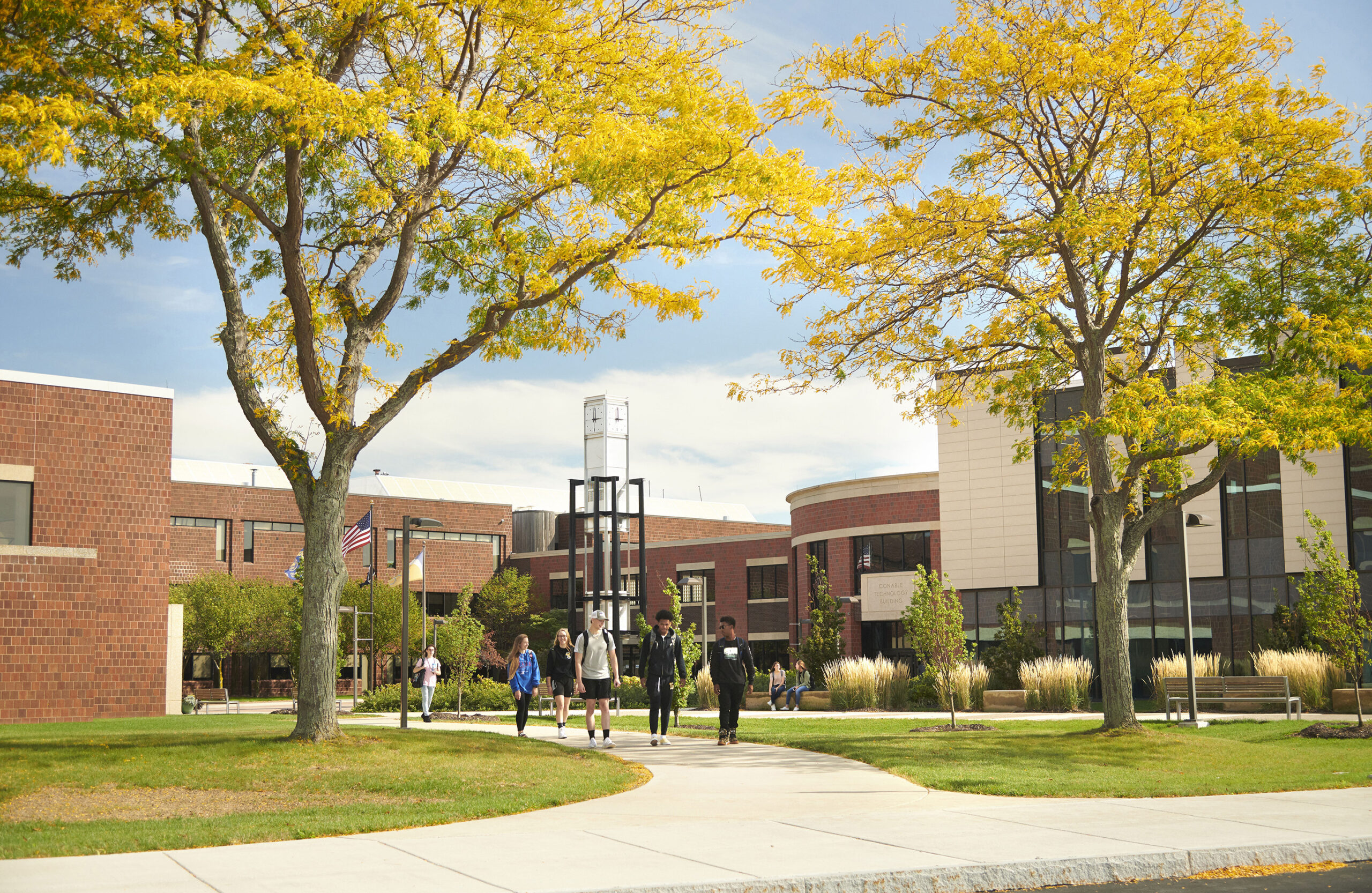
By late fall, the campus took on a different feel. The trees near the parking lot dropped their leaves all at once, like they had agreed on a date without telling anyone. The air smelled sharper in the mornings, and people walked faster, shoulders slightly raised. I noticed how this changed what I photographed. There was less lingering, more movement. More hands tucked into pockets. More faces turned downward, thinking about warmth rather than surroundings.
I found myself drawn to edges instead of centers. Doorways half lit. Stairwells with one flickering bulb. The space just outside classrooms where students gathered their things before reentering their lives. These were not scenes anyone would plan a shoot around. They existed briefly and then dissolved. I liked that about them. They matched how my days felt, stitched together by small transitions rather than big moments.
The act of choosing one image became easier and harder at the same time. Easier because I trusted my instincts more. Harder because I could see merits in so many frames. I learned to sit with that tension instead of rushing past it. Some evenings I would open my folder, scroll slowly, and close it again without deciding. I let the decision wait until the next day, which felt like a kindness to myself.
I noticed changes in how I talked to myself. Less harsh, still honest. I stopped asking whether a photo was impressive and started asking whether it was true. True to the moment. True to what I felt standing there. That shift did not eliminate doubt, but it changed its shape. Doubt became a question instead of a verdict. That felt manageable.
When another announcement came through about free photo contests with a theme around everyday spaces, I laughed quietly at my desk. It felt like the invitation was written for me, even though I knew it was not. I started paying closer attention to hallways again. To the way light bounced off tile floors. To the sounds of lockers closing, echoing longer than expected when the building emptied out.
There was a day when I almost did not take any photos at all. Meetings ran late. Emails piled up. My head felt full in the way that makes even small choices feel exhausting. On my way out, I saw a maintenance ladder leaning against a wall, casting a long shadow across a posted schedule. I hesitated. I sighed. I took the photo anyway. It was not special. It was enough.
I thought about that word more often than I used to. Enough. Enough light. Enough effort. Enough courage to submit something imperfect. Enough care to notice what was already there. I had spent a long time believing that meaningful work required big gestures or official permission. This practice was teaching me otherwise, slowly and without fanfare.
Waiting for results became less charged. I still checked my email too often during those windows, but I no longer built stories around the outcome. I stopped imagining disappointment in advance, which was something I had always done as a form of self protection. Instead, I focused on what I would photograph next, regardless of how this one turned out.
One afternoon, a colleague stopped by my office and asked if I had taken the photo featured on the homepage that week. I had. It was a simple shot of a campus path after rain. She said she liked it because it felt calm. That word stuck with me. Calm. Not exciting. Not impressive. Just calm. I realized that was exactly what I had been trying to capture without naming it.
As winter approached, the light shortened and my opportunities felt smaller. I adapted. I shot earlier. I paid attention to indoor spaces more. I let myself work within constraints instead of pushing against them. That adjustment felt familiar, almost comforting. It mirrored how I move through most of my life, finding room where there seems to be very little.
I did not set out to change how I see myself. I only wanted to try something accessible and see what happened. What happened was quiet and cumulative. A habit formed. A way of noticing took hold. I am still in the middle of it. That feels right. Not everything needs a clear ending to be worth continuing.
Winter settled in fully after the first real snowfall, the kind that sticks around long enough to turn gray at the edges. Campus looked smaller then. Paths narrowed. Corners felt tighter. People moved with purpose instead of wandering. I noticed how this changed my own patience. I no longer waited for perfect light. I worked with what showed up between clouds and class schedules.
I started paying attention to indoor quiet, which is different from outdoor quiet. The hum of vending machines. The distant echo of a door closing two floors up. The scrape of a chair leg across tile. These sounds felt louder once the outside world dulled itself. Photographing inside spaces made me more aware of how much life continues even when nothing obvious is happening.
There is a hallway near the administration offices that never quite warms up. The windows leak cold air, and the lights flicker slightly. I used to hurry through it without thinking. One afternoon, I stopped and watched how breath fogged briefly before disappearing. I took a photo of an empty stretch of floor and wondered if anyone else would understand why it mattered to me. That wondering felt vulnerable, but also honest.
I found myself thinking less about outcomes and more about sequences. What came before the photo. What came after. The act of noticing became the anchor, not the submission itself. That surprised me. I had assumed contests were about results. Somewhere along the way, they became about continuity instead. About staying engaged even when the external markers were inconsistent.
A deadline came and went that I almost missed entirely. I submitted with minutes to spare, heart beating faster than necessary. I laughed at myself afterward. That old nervous energy was still there, just quieter. Familiar. It reminded me that caring does not disappear just because you get used to something. It settles in and becomes part of the background.
When I did not place that time, the disappointment passed quickly. Not because I had lowered my expectations, but because I had widened them. There were more reasons to keep going now. More images I wanted to make. More moments I wanted to hold still for a second before letting them pass. The absence of recognition did not erase the work.
I noticed that I was no longer explaining myself internally as much. I stopped justifying why I was doing this. I stopped framing it as a self improvement project or a skill building exercise. It was simply something I did. That shift felt important. It made the habit sturdier. Less dependent on mood or validation.
There was one morning when campus was nearly empty because of ice. Offices closed late. Classes canceled early. I walked the grounds with my camera and felt like I was borrowing the space for a while. Footprints crossed paths and ended abruptly. A bicycle leaned against a rack, unused. I took several photos and knew I would only submit one, but I took the others anyway.
That same week, I saw a new call for free photo contests posted online and bookmarked it without thinking too hard. It had become routine. The lack of cost meant I could respond on instinct instead of calculation. I realized how rare that feels in adult life, especially when you are careful with money and time. Access does not remove effort, but it removes friction, and that matters more than people admit.
I began to trust that my eye would continue developing if I stayed with it. Not quickly. Not dramatically. Just steadily. That trust extended into other parts of my life. I was gentler with unfinished projects. More patient with myself when progress looked uneven. Photography had given me a language for incremental change.
I still wondered what others thought when they saw my images. That curiosity never went away. But it stopped feeling like a judgment waiting to happen. It felt more like a question shared across distance. A quiet exchange. Here is what I noticed. What did you see. That felt like enough to keep me submitting, even on days when confidence lagged behind intention.
As winter stretched on, I realized that this practice had become a kind of companion. Not demanding. Not flashy. Just present. It walked alongside my routines and adjusted as conditions changed. I did not need it to turn into something bigger to justify its place. It had already done what it needed to do by changing how I moved through my days.
By the time early spring showed up, winter felt like something I had survived rather than simply passed through. The campus changed again, almost overnight. Patches of snow shrank into dirty islands. Students lingered outside longer, backpacks dropped at their feet, faces turned toward any hint of warmth. I noticed how my body relaxed with the season, how my shoulders dropped without me asking them to. My camera came out more often without feeling like a chore.
Light returned in ways that felt generous. It spilled through windows instead of sneaking in. I found myself standing in familiar places and seeing them completely differently. The student center atrium, which always felt loud and cluttered in the fall, suddenly looked open and kind. Shadows stretched longer and softer. I waited more. I trusted that something would happen if I stayed still long enough.
There was a particular afternoon when everything lined up quietly. The weather was mild. My inbox was manageable. I walked across campus without an agenda and let myself drift. I watched a group of students rehearse a presentation on the grass, papers flapping in the breeze. I watched someone practice skateboard tricks with patient determination. I took a few photos and felt oddly content, regardless of whether they would ever leave my hard drive.
I noticed that my nervousness had changed texture. It no longer spiked sharply before submissions. It sat lower, steadier, like a mild hum. I accepted it as part of the process instead of a signal to stop. That acceptance felt earned. It came from repetition, not confidence. From showing up even when motivation wavered.
When I submitted another image, I barely hesitated. I checked the basics, attached the file, and moved on. That surprised me more than any placement ever had. I realized how much energy I used to spend bracing for judgment. Letting go of that freed up attention for noticing again, which was the whole reason I started.
Around this time, I began to talk more openly with coworkers about what I was doing. Not in detail. Just enough to say it out loud. Saying it made it feel real in a different way. One person mentioned they had always wanted to try photography but assumed it required expensive gear or classes. I told them about free photo contests and watched their posture shift slightly, like a door had opened where they thought there was a wall.
That moment stayed with me. It reminded me that access does not just change what you do. It changes what you imagine yourself capable of. I had underestimated that effect in my own life, and I saw it again in someone else. The realization felt quiet but important.
I kept photographing spaces between official moments. The time before events started. The cleanup afterward. The pause when people waited for instructions. Those moments felt more honest than the polished ones. They held uncertainty and possibility at the same time. I liked sitting with that tension.
One image I submitted that spring showed a lone chair left behind after an outdoor lecture. The grass around it was flattened where people had sat. The sky was still bright. I did not expect it to resonate with anyone else. When it placed second, I laughed out loud in my office, then quickly closed the door because I felt self conscious. The joy surprised me again, even though I had been here before.
That second place finish felt different this time. Less shocking. More affirming. It did not feel like proof that I was good. It felt like confirmation that I was paying attention in a way that connected with someone else. That distinction mattered. It made the experience feel shared rather than evaluated.
I thought about how careful I had become, not in a cautious way but in an intentional one. I chose images deliberately. I chose moments deliberately. I let others pass deliberately. That care spilled into my days. I planned less frantically. I noticed when I needed a break. I stopped rushing through things just to get to the next task.
As the semester wound down, I realized that photography had woven itself into my routine without demanding center stage. It sat alongside my job, my responsibilities, my budgeting spreadsheets, my quiet evenings. It did not ask me to become someone else. It asked me to be present as I already was.
I am still curious about what others think when they see my photos. That curiosity keeps me submitting. But I am more curious now about what I will notice next. What small scene will catch my attention and ask to be held for a moment longer. That question feels like a good one to live with, even if I never answer it fully.
As the academic year edged toward its end, campus took on a restless energy. Schedules loosened. Conversations stretched longer. People stood in small groups, unsure whether to linger or move on. I noticed how that uncertainty showed up in the spaces themselves. Chairs sat half pushed in. Doors stayed open longer than necessary. Bulletin boards lost their urgency and became cluttered with reminders no one would follow.
I walked slower during that time, partly because I could and partly because I wanted to. The pressure that builds through a semester began to thin out, and I felt myself breathing more evenly. My camera stayed in my hand more often than my bag. I stopped worrying about whether I was interrupting a moment and trusted my sense of when to step back.
There was a stairwell I started visiting intentionally. It sat between two buildings and caught the afternoon light in a way that made dust visible in the air. Students passed through without noticing. I would stand off to the side, waiting for the pattern of footsteps to shift. Sometimes nothing happened. Sometimes everything lined up for just a second. Those seconds felt earned.
I thought about how much my definition of success had changed. Early on, success meant placing, being seen, receiving confirmation. Now it meant choosing well. It meant feeling satisfied with the image before anyone else ever saw it. That internal measure felt steadier. Less reactive. It gave me something I could carry from one submission to the next.
I still felt nerves before entering. That never fully disappeared. But the nerves no longer dictated my behavior. They came along quietly and stayed in the background. I learned to treat them as information rather than instruction. They told me I cared. They did not tell me what to do.
At work, I found myself framing campus stories differently. I chose photos that lingered instead of shouted. I paired images with fewer words. I trusted the audience to fill in the rest. That trust felt risky at first, especially in a job built around clarity and outcomes. But it felt honest. Engagement did not spike dramatically, but something else shifted. People commented more thoughtfully. They asked questions instead of scrolling past.
I wondered how much of that came from my own changed attention. When you look carefully, you tend to present carefully. When you rush, it shows. Photography had slowed my eye even when my schedule stayed full. That carried over in ways I did not expect and could not fully measure.
There were moments when I considered stopping. Not because I was discouraged, but because the practice felt complete in some way. I had gotten what I needed. I questioned whether continuing would dilute it. Those thoughts came and went. Each time, I returned to the simple act of noticing and let that decide for me.
One late afternoon, I photographed a group of students packing up for the summer. Cardboard boxes stacked unevenly. A forgotten coffee mug on a windowsill. The light was warm and forgiving. I knew the image would not stand out in a crowd. I submitted it anyway. It felt right to mark the ending as it was, not as I wished it to be.
I realized then that entering contests had quietly given me permission to treat my own perspective as valid. Not exceptional. Just valid. That distinction mattered. It kept the pressure manageable. It allowed me to show up again without needing to prove anything.
The semester ended. Offices emptied. The campus grew quiet in a different way than winter. This quiet felt temporary, full of anticipation rather than waiting. I walked the grounds with my camera and felt grateful for the habit that had formed. It had anchored me through change without demanding anything in return.
I thought about how easily I might have missed all of this if that first opportunity had felt out of reach. If cost had turned curiosity into delay. Access had made room for seriousness. It had allowed me to invest attention where I might have hesitated before.
As summer approached, I did not set goals for my photography. I did not promise myself progress or outcomes. I simply kept my camera nearby and my eyes open. That felt like enough. It still does. I am learning that some practices are meant to accompany us rather than transform us, and that is not a lesser role.
Summer changed the rhythm of the campus in a way I always forget until it happens. The place felt both empty and exposed. Without the constant movement of students, buildings showed their age more clearly. Scuffed floors. Faded paint near door handles. Chairs stacked in corners like afterthoughts. I noticed how much personality lived in those details once the noise dropped away.
I worked shorter hours during that stretch, which gave me time I was not used to having. I took my camera on walks that had no purpose beyond being walks. I let myself wander instead of scanning for moments. That difference mattered. When you are not hunting for something, you tend to see more of what is already there.
One morning, I found myself photographing a row of lockers that had not been opened in weeks. Dust had settled along the seams. A forgotten sticker peeled at the corner. I thought about how many hands had touched those doors during the year and how quickly that evidence disappeared. The photo felt quiet and personal. I did not rush to submit it anywhere.
During that time, I reflected on how my relationship with choice had changed. Early on, choosing one image felt like a loss of all the others. Now it felt like a way of honoring a moment without clinging to it. I could let the rest go more easily. That ease surprised me. It made the whole process lighter.
I noticed that my curiosity had widened. I paid attention to spaces off campus too. Grocery store parking lots in the early evening. Bus stops where people waited without looking at each other. The habit traveled with me, even when I did not intend it to. Photography had stopped being an activity and started being a lens.
There were weeks when I did not submit anything at all. I did not feel guilty about it. The contests would come around again. Knowing that removed pressure. It allowed me to engage when it felt genuine instead of obligatory. That flexibility kept the practice alive rather than burning it out.
When I did submit again, I noticed my hands were steadier. Not physically, but mentally. I trusted my judgment more. I trusted that the image I chose represented something true about my attention in that moment. That trust did not mean certainty. It meant acceptance.
I thought about how often people assume seriousness requires sacrifice. Money. Time. Visibility. My experience with free photo contests challenged that assumption gently. It showed me that seriousness can grow out of accessibility. That care can deepen even when the barrier to entry stays low.
Late one afternoon, while organizing files on my computer, I noticed how many images I had taken that year. Not all of them were good. Some were outright bad. But they formed a record of where I had been and what I had noticed. That felt valuable in a way I had not anticipated. It felt like evidence of attention over time.
I realized then that I no longer measured my progress by results. I measured it by how quickly I noticed when I was rushing. By how often I paused. By how willing I was to wait for a moment instead of forcing one. Those measures were quieter, but they felt more honest.
As summer wore on, I began preparing mentally for the next academic year. New students. New schedules. New noise. I wondered how my attention would adapt. I trusted that it would. The habit was sturdy now. It bent with changes instead of breaking under them.
I kept thinking about access and what it makes possible. Not just for me, but for people who might otherwise sit on the edges of creative spaces. Removing cost does not remove effort, but it invites participation. That invitation had mattered to me more than I realized at the start.
I did not know where this practice would lead, and I no longer felt the need to know. I was content to stay inside it, noticing as I went. The joy was not in the outcome. It was in the attention itself, steady and unremarkable and quietly sustaining.
When fall returned again, it felt less abrupt than it used to. I recognized the signs sooner. The way emails multiplied overnight. The way students arrived carrying new notebooks and the same old worries. I moved through campus with a sense of familiarity that went deeper than routine. I had watched this place change once already, slowly and deliberately, and that made the return feel gentler.
I kept photographing without thinking too much about it. Some days I brought the camera. Some days I did not. The habit had loosened its grip in a good way. It no longer demanded attention. It waited. That patience felt earned. It came from months of showing up without forcing meaning onto every frame.
One afternoon, while updating the website with orientation photos, I noticed how different my eye felt compared to a year earlier. I cropped less aggressively. I trusted negative space. I let moments breathe. I realized that photography had changed how I worked, even when I was not thinking about photography at all.
Around that time, I found myself helping a student employee sort through images they had taken for a campus event. They were frustrated, convinced none of them were good enough. I listened, then suggested choosing the one that felt most honest rather than most impressive. I heard my own words and smiled quietly. I knew where they came from.
Later that week, I found myself with one of those rare slow afternoons where nothing urgent demanded my attention. My inbox was quiet enough to ignore for a few minutes. I leaned back in my chair, opened a new tab, and started browsing upcoming opportunities the same way I check the weather, without expectation, just to see what was there.
I opened a page listing free photo contests and let myself scroll without rushing. Some themes were specific, some vague, some easy to dismiss right away. I liked that there was no pressure to decide immediately. I was not comparing myself to anyone. I was just reading, noticing what sparked a reaction and what did not.
When I clicked through to free photo contests, I recognized the feeling almost right away. The listings were clear. The rules made sense. Nothing felt hidden or inflated. I kept the page open while I worked, glancing back at it between tasks the same way I might leave a notebook open on my desk.
One listing caught my attention more than the others. I followed it, checked the deadline, and mentally placed it into my week. No big decision. Just a quiet note to myself. I knew from experience that having a single option in mind made it easier to stay attentive without forcing anything.
After that, I closed the tab and went back to scheduling posts like I always do. The difference was that the option was there now, sitting calmly in the background. It felt easy and trustworthy, the kind of resource you return to not because it promises anything dramatic, but because it respects your time and attention. That mattered to me more than I would have expected when I first started.
That moment felt ordinary, which was exactly the point. Entering no longer felt like a leap. It felt like part of the landscape of my days, something woven into the same fabric as meetings and email replies and coffee breaks. The accessibility that had drawn me in at the beginning had quietly sustained the practice over time.
I thought about how nervous I had been during that first submission. How much weight I had placed on the outcome. That version of me still exists, but she feels farther away now. Not because I am braver, but because I am steadier. I understand what the work gives me regardless of how it is received.
Placing second that first time still matters to me. It sits there as a marker, a small moment of external acknowledgment. But it is no longer the center of the story. The center is everything that followed. The mornings I noticed light differently. The afternoons I waited instead of rushing. The evenings I chose one image and let the rest go.
I no longer wonder if what I see is worth noticing. I assume it is, at least to me. That assumption changes how I move through the world. It makes me quieter in some ways and more attentive in others. It reminds me that attention is something I can offer without asking permission.
Working in communications means accepting that much of what you do fades quickly. Posts scroll past. Images get replaced. Messages expire. Photography has given me a counterbalance to that ephemerality. It allows me to hold a moment a little longer, even if only for myself.
I am still budget conscious. I still calculate and weigh and hesitate. That part of me has not changed. What has changed is how I interpret access. I no longer see low barriers as indicators of low value. I see them as invitations. Invitations to take myself seriously without needing to justify the cost.
As another year settles in, I do not set goals for how many contests I will enter or how many times I will place. I simply keep my camera nearby and my attention open. I trust that something will catch my eye when it is ready.
This practice did not transform me into someone else. It did something quieter and more useful. It helped me notice my own days. It helped me choose deliberately. It helped me understand that access can change how seriously I take myself, even when no one else is watching.